this post was submitted on 21 Oct 2025
208 points (96.8% liked)
politics
26585 readers
2084 users here now
Welcome to the discussion of US Politics!
Rules:
- Post only links to articles, Title must fairly describe link contents. If your title differs from the site’s, it should only be to add context or be more descriptive. Do not post entire articles in the body or in the comments.
Links must be to the original source, not an aggregator like Google Amp, MSN, or Yahoo.
Example:
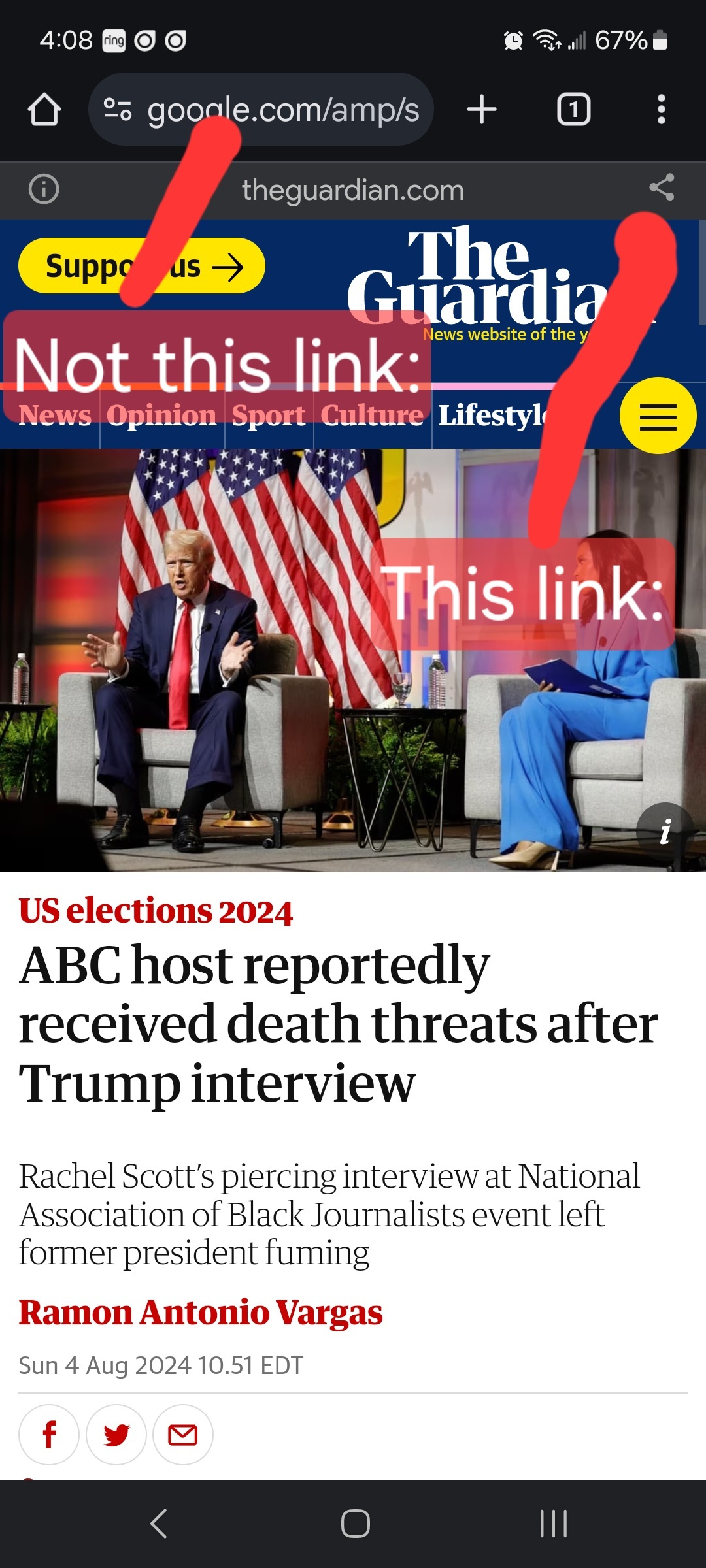
- Articles must be relevant to politics. Links must be to quality and original content. Articles should be worth reading. Clickbait, stub articles, and rehosted or stolen content are not allowed. Check your source for Reliability and Bias here.
- Be civil, No violations of TOS.
It’s OK to say the subject of an article is behaving like a (pejorative, pejorative). It’s NOT OK to say another USER is (pejorative). Strong language is fine, just not directed at other members. Engage in good-faith and with respect! This includes accusing another user of being a bot or paid actor. Trolling is uncivil and is grounds for removal and/or a community ban.
- No memes, trolling, or low-effort comments.
Reposts, misinformation, off-topic, trolling, or offensive. Similarly, if you see posts along these lines, do not engage. Report them, block them, and live a happier life than they do. We see too many slapfights that boil down to "Mom! He's bugging me!" and "I'm not touching you!" Going forward, slapfights will result in removed comments and temp bans to cool off.
- Vote based on comment quality, not agreement. This community aims to foster discussion; please reward people for putting effort into articulating their viewpoint, even if you disagree with it.
- No hate speech, slurs, celebrating death, advocating violence, or abusive language. This will result in a ban. Usernames containing racist, or inappropriate slurs will be banned without warning
We ask that the users report any comment or post that violate the rules, to use critical thinking when reading, posting or commenting. Users that post off-topic spam, advocate violence, have multiple comments or posts removed, weaponize reports or violate the code of conduct will be banned.
All posts and comments will be reviewed on a case-by-case basis. This means that some content that violates the rules may be allowed, while other content that does not violate the rules may be removed. The moderators retain the right to remove any content and ban users.
That's all the rules!
Civic Links
• Register To Vote
• Citizenship Resource Center
• Congressional Awards Program
• Federal Government Agencies
• Library of Congress Legislative Resources
• The White House
• U.S. House of Representatives
• U.S. Senate
Partnered Communities:
• News
• World News
• Business News
• Political Discussion
• Ask Politics
• Military News
• Global Politics
• Moderate Politics
• Progressive Politics
• UK Politics
• Canadian Politics
• Australian Politics
• New Zealand Politics
founded 2 years ago
MODERATORS
I think there may be more opportunity for success here than your argument seems to suggest.
I agree with the focus on inequality. The sense that society is fundamentally unfair has a corrosive and a radicalising effect on politics. People can react to it in very different ways, from redistribution to out-group scapegoating, but the underlying motivation is that people see that there is vast wealth available in our society and they're still struggling.
Where I may disagree is that most people are non-ideological. Not everyone, but a healthy majority. They aren't focused on the philosophical roots of a candidate's policies. They care that the candidate
Many people can find that in candidates with a variety of ideological positions. The overlap between people who supported Bernie after the great recession, and went on to support Trump is bigger than one would expect.
So the equation is much less zero sum. You don't lose one reactionary for every radical you bring into your camp. There really aren't that many committed radicals and reactionaries.
The most toxic message today is the economic moderate. "Hey, it's not so bad. Things could be a lot worse." This is the zero sum relationship. You can't keep both the people who are doing well and like how things work, and the people who are struggling and want the life they deserve. The material difference isn't left vs right, it's status quo versus change. There's a lot more room for flexibility in the change camp.
Yes, but not everyone who wants change wants the same change, and so not every change candidate is going to appeal to every voter, even if most of them are looking for some kind of change.
I would agree that both Bernie and Trump were change candidates, but their differing levels of success shows which change message spoke more to the American people.
I agree that a political campaign promising change is the way to go (that's been true since Obama in '08), but which one? I think it's reasonable to assume that a change campaign built on economic populism is the way to go, but Bernie tried that twice and he lost twice.
Denial of the plain fact that society is fundamentally unfair makes it impossible to come up with solutions, or at least mitigations.