politics
Welcome to the discussion of US Politics!
Rules:
- Post only links to articles, Title must fairly describe link contents. If your title differs from the site’s, it should only be to add context or be more descriptive. Do not post entire articles in the body or in the comments.
Links must be to the original source, not an aggregator like Google Amp, MSN, or Yahoo.
Example:
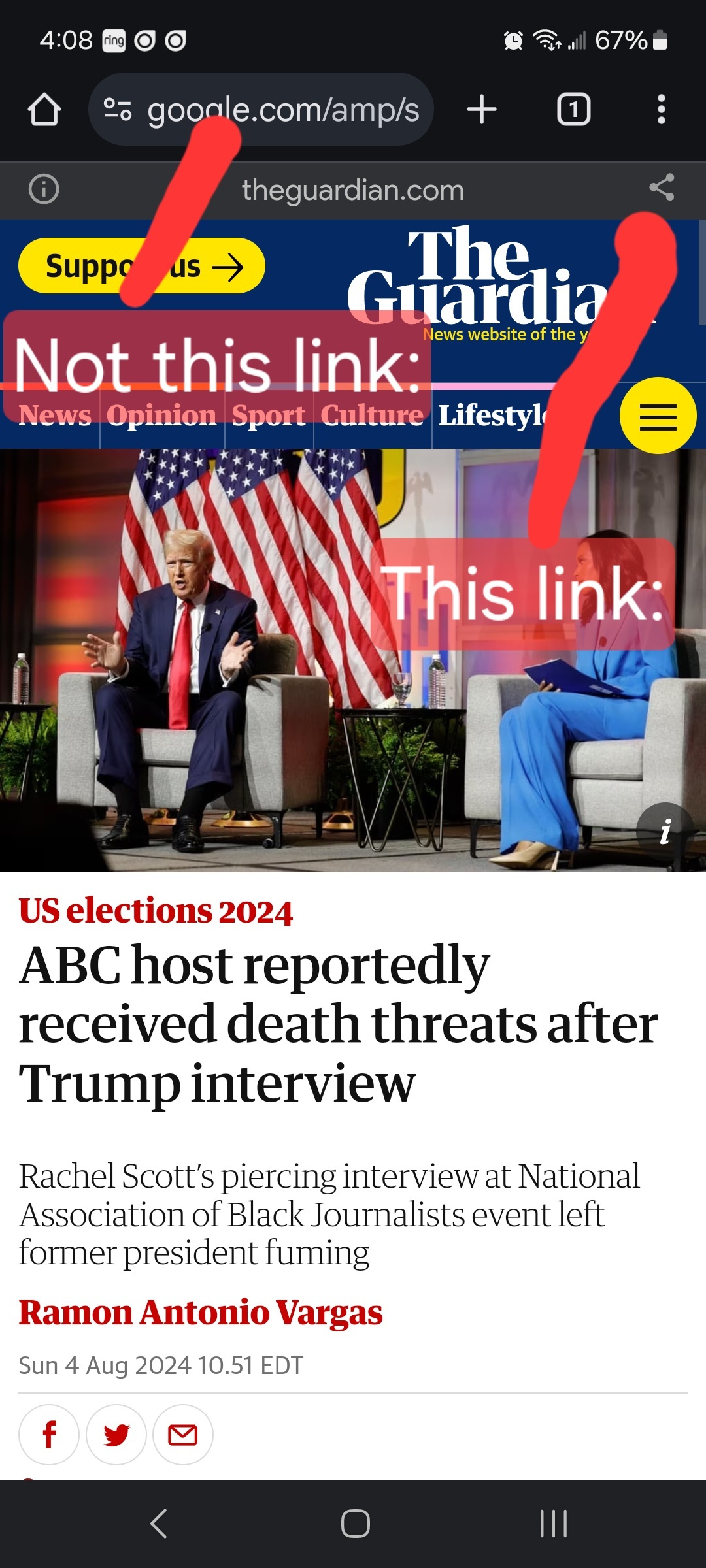
- Articles must be relevant to politics. Links must be to quality and original content. Articles should be worth reading. Clickbait, stub articles, and rehosted or stolen content are not allowed. Check your source for Reliability and Bias here.
- Be civil, No violations of TOS. It’s OK to say the subject of an article is behaving like a (pejorative, pejorative). It’s NOT OK to say another USER is (pejorative). Strong language is fine, just not directed at other members. Engage in good-faith and with respect! This includes accusing another user of being a bot or paid actor. Trolling is uncivil and is grounds for removal and/or a community ban.
- No memes, trolling, or low-effort comments. Reposts, misinformation, off-topic, trolling, or offensive. Similarly, if you see posts along these lines, do not engage. Report them, block them, and live a happier life than they do. We see too many slapfights that boil down to "Mom! He's bugging me!" and "I'm not touching you!" Going forward, slapfights will result in removed comments and temp bans to cool off.
- Vote based on comment quality, not agreement. This community aims to foster discussion; please reward people for putting effort into articulating their viewpoint, even if you disagree with it.
- No hate speech, slurs, celebrating death, advocating violence, or abusive language. This will result in a ban. Usernames containing racist, or inappropriate slurs will be banned without warning
We ask that the users report any comment or post that violate the rules, to use critical thinking when reading, posting or commenting. Users that post off-topic spam, advocate violence, have multiple comments or posts removed, weaponize reports or violate the code of conduct will be banned.
All posts and comments will be reviewed on a case-by-case basis. This means that some content that violates the rules may be allowed, while other content that does not violate the rules may be removed. The moderators retain the right to remove any content and ban users.
That's all the rules!
Civic Links
• Congressional Awards Program
• Library of Congress Legislative Resources
• U.S. House of Representatives
Partnered Communities:
• News
view the rest of the comments
For one, the framers weren't entirely exemplary, but others have pointed that out, so I'll try a moderating argument:
Even a genius at that time couldn't have really comprehended or predicted the impact of technological development. I don't just mean this in a "hindsight is 20/20" or "technology is developing faster" sense, but rather that the study of history itself wasn't quite as developed as it is today.
Modern communication, investigation, restoration methods have massively increased the wealth of sources any given scholar has access to. Lacking that, it's far easier to fill gaps in knowledge with assumptions from your own experience or what bits of knowledge you do have and assume that some things have been constant for a long time. Conversely, it's hard to imagine those things might change. The best you can do is observe contemporary developments, attempt to guess where they might lead and try to take precaution against the most likely or most dangerous possibilities.
One such precaution is to create a system whereby the many can stop individuals from abusing their power, strip them of that power and do all of that with due process and careful deliberation. But then, the speed at which the powerful could do damage was also more limited.
As technology changes, so too should systems of government. What worked two centuries ago just isn't viable any more. Many developments in the last century would probably have prompted different decisions by well-meaning, educated and intelligent people.
I don't think the breakage of a system that failed to adapt is the fault of the people who first penned it. They included tools to change that system itself with what seemed like a reasonable hurdle at the time. They can hardly be blamed if those tools aren't used (or at least not for good).
In conclusion: it's possible that the framers had the best intentions, considerable intelligence and a high level of education for their time, and still couldn't have done better.
That isn't to say they must have had those purest intentions or been that smart. Hell, just the disconnect between advocating for liberty and holding slaves points to a significantly different understanding of liberty. I could write a whole paragraph here, but my core point is that the system of checks and balances breaking isn't (just) the error of a few elite politicians, underestimating the potential for corruption, but rather of many generations of politicians eroding what protections those politicians might have put in place.
If you believed in the power of the people, their desire to be free, just came out of a bloody struggle to be free of one corrupt tyrant and unwittinglu projected your own level of education on them, would you realistically foresee that they'd vote this stain into office not once, but twice, and that all the other representatives would stand by idly while their own power is being undermined?