TWICE AS MUCH COMPARED TO WHAT????
My left ball?
This is a most excellent place for technology news and articles.
TWICE AS MUCH COMPARED TO WHAT????
My left ball?
To answer your question we'll need to conduct a series of electrical tests on your left ball. Please report to the lab as soon as possible, and wear loose pants.
Uh, can we do this experiment on someone else's balls? Asking for a friend.
Of course. It is specifically froh42's left balls that we will be experimenting on.
froh42 has the standard left ball. Once we get an accurate measurement we'll be able to compare other balls to it and go from there.
Oooh, kinky.
Every week with the "miracle battery!" headlines. This has been going on for ages and I'm sick of it.
Sodium-ion batteries are not hype though, they are in production use in multiple industries already. They are generally superior to Lithium based batteries in all regards, with the exception of having a bit lower energy density. An equivalent LiFePO4 battery might be 70-80% of the size for the same storage. It's not a big deal for large applications like cars and solar storage.
Yeah, the advantages of all these sodium batteries, in my mind, is that they are stable and rugged enough to build up a backbone of a energy storage system for a grid. I'm seriously thinking about them for my house, in the UK.
Also not nearly as much of a fire hazard.
New tit ion battery generates fifteen times the power and shits butter pecan ice cream. And, like every other battery chemistry there's ever been a news article for, isn't real and will never enter production.
I see that sentiment on every battery news, but it sure seems to me like battery tech is advancing quite drastically. Are there over-hyped headlines and articles pumping up tech that isn't anywhere near completion? Sure, but meanwhile EVs have become a thing, house batteries, etc.
Sodium Ion is a real game changer. But I doubt it will compete with Lithium Ion on energy density anytime soon.
But that's not necessary to make major changes in the power grid. Solar and wind is already cheapest form of energy generation even considering the expense of Lithium to store the energy when renewables aren't generating. If you're just installing stationary battery banks, you don't care that much about the energy density as you would for a battery in a car or phone. Set up banks of cheap sodium ion batteries strategically and not only do you have plenty of power stored for when it's not sunny or windy, you may avoid widespread power outages when power lines are downed.
Sodium ion has the same "energy density", but lower density because of its honeycomb structure.
This story is actually about a sodium-vanadium wet battery, not sodium ion. NaVn batteries are a wet flow battery that have been around for a while, they are intended for stationary power use.
Sodium ion batteries have less energy density as opposed to Lithium ion (100-150 WH per Kg instead of 150-250). I'm curious how much these "wet" batteries improve that. The article doesn't say.
Nonetheless, even if it's not the new battery for your car, it could be useful as energy storage for the grid, storing green (solar) energy for the night, and desalinating seawater at the same time.
We hear about a new battery chemistry like every week. Do most never get to commercialization?
They mostly these articles are showing new avenues for research. Most are deadends usually due to issues with production/scalability.
Sodium Ions batteries are coming to market, however the issue is that Lithium Ion are just improving faster and making it harder for Sodium Ion batteries to compete.
Unless other situations where the established technology wins due to inertia, sodium ion batteries have two benefits that make them interesting regardless:
Firstly, they are safer. A punctured sodium ion battery doesn't catch fire, which massively simplifies safety design. That makes them very attractive for certain scenarios, especially ones where density is a secondary concern. That in turn means they get further development money instead of withering on the vine.
Secondly, they require fewer hard-to-obtain materials, which makes them attractive from a strategic perspective. This one should be less important than the safety factor but it's also relevant.
I'm pretty sure we'll actually see wet sodium cells in the wild if they are actually practical. Sodium ion tech is already being commercialized and if this brings it within the same ballpark as lithium ion then it becomes a very interesting choice for vehicles due to instant crash safety gains.
They also perform better in the cold making them a better choice for EVs in cold regions. This is why I think CATL saw the videos of cars getting killed by cold and pulled the trigger on retooling even with the lithium price crash.


That face is glorious. My mood has skyrocketed.
You can throw any battery in the ocean. The better question is should you?
Who else is going to feed the eels?
Desalinating water might be the best part. Usually, solar power has the downside of needing storage and desalination has the downside of big energy requirements. If you can do both at the same time, it's a big win for dry climates with lots of sun
There is also the issue with the salt by itself in desalinisation. If it's removed with water, you have to deal with that stuff. Table salt is really cheap and there is plenty of offer,, so you can't really economically clean it enough and package it for human consumption or industrial use. So what usually happens is that they dump it back at one moment or another. And that is a hard pollution, and can lead to dead zones around the desalinisation plants if not managed well enough. Being able to add it in a high demand product such as batteries takes all those hurdles away
I can only hope these can actually hit commercialization, unlike most new battery technologies that never leave the lab.
Yes, because battery technology stagnated years ago...
Oh wait
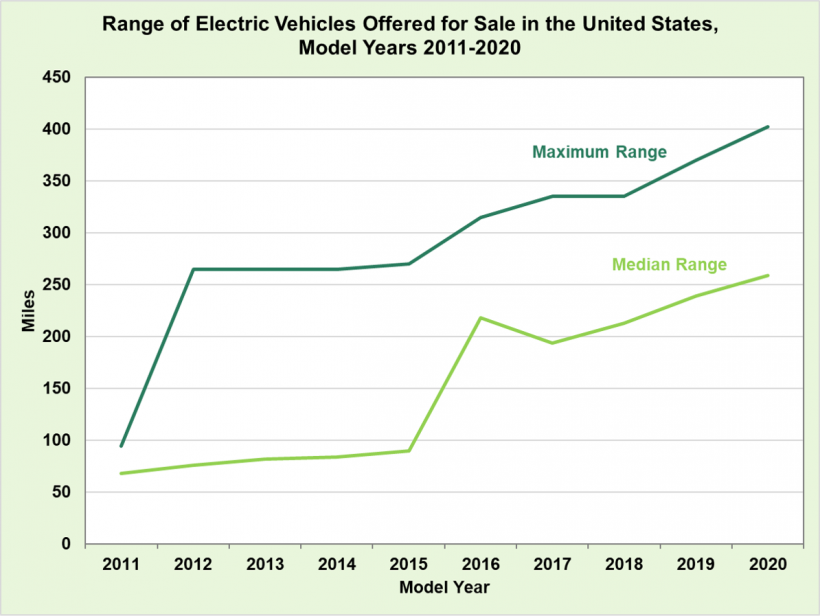
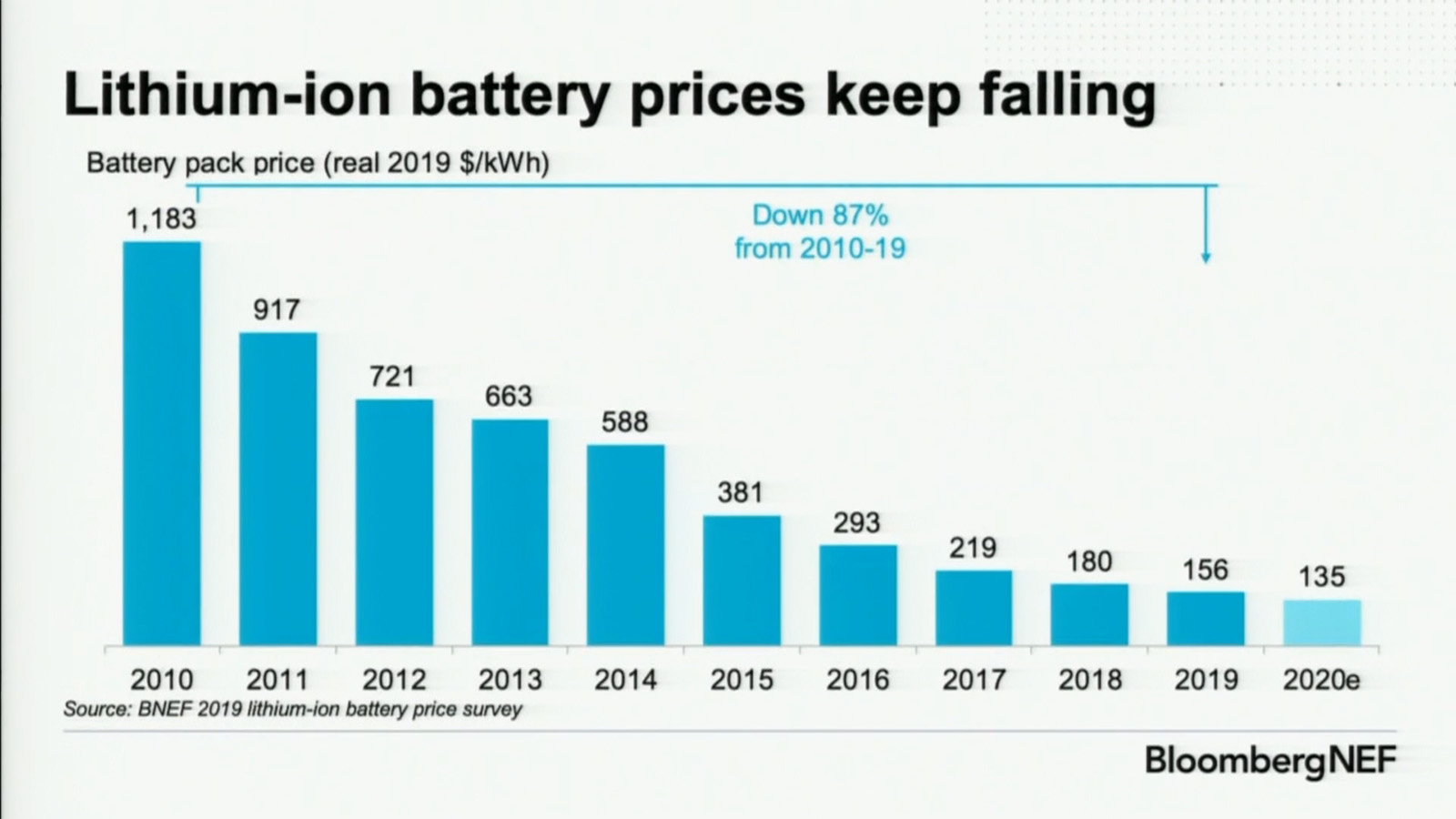
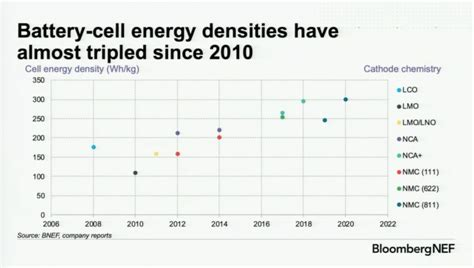
Great response, people just love to parrot easy dismissals without looking and the sheer magnitude on innovation and commercialisation going on in this sector
It doesn't really dispute it, though. Lithium-ion has seen a lot of improvement, yes, because it's already a giant industry; other battery chemistries have a hard time breaking through because they require entirely different processes to manufacture.
I'm still rooting for it, but it's not really the same thing.
Wow! Thanks for sharing that data. I had no idea.
Sodium Ion already does 5000+ cycles. Adding Vanadium is not a scalable material. It is very expensive. 400 cycles steady is not useful information because it needs to do much more. They didn't state a wh/kg density. This is probably not a viable research vector, but "big Vanadium" has proposed a rental model to make Vanadium more scarce for other applications. Flow batteries (a fuel cell with tanks of electrolytes) provides an ultra easy way of recycling/selling the vanadium for traditional uses. Battery rental that forces returning it could be viable.
Bullshit headline. It neither desalinates water nor it's better than Li-ion, because you know physics is pretty hard to cheat
you use grid power, not a miracle


