this post was submitted on 10 Aug 2026
295 points (98.7% liked)
politics
30762 readers
2879 users here now
Welcome to the discussion of US Politics!
Rules:
- Post only links to articles, Title must fairly describe link contents. If your title differs from the site’s, it should only be to add context or be more descriptive. Do not post entire articles in the body or in the comments.
Links must be to the original source, not an aggregator like Google Amp, MSN, or Yahoo.
Example:
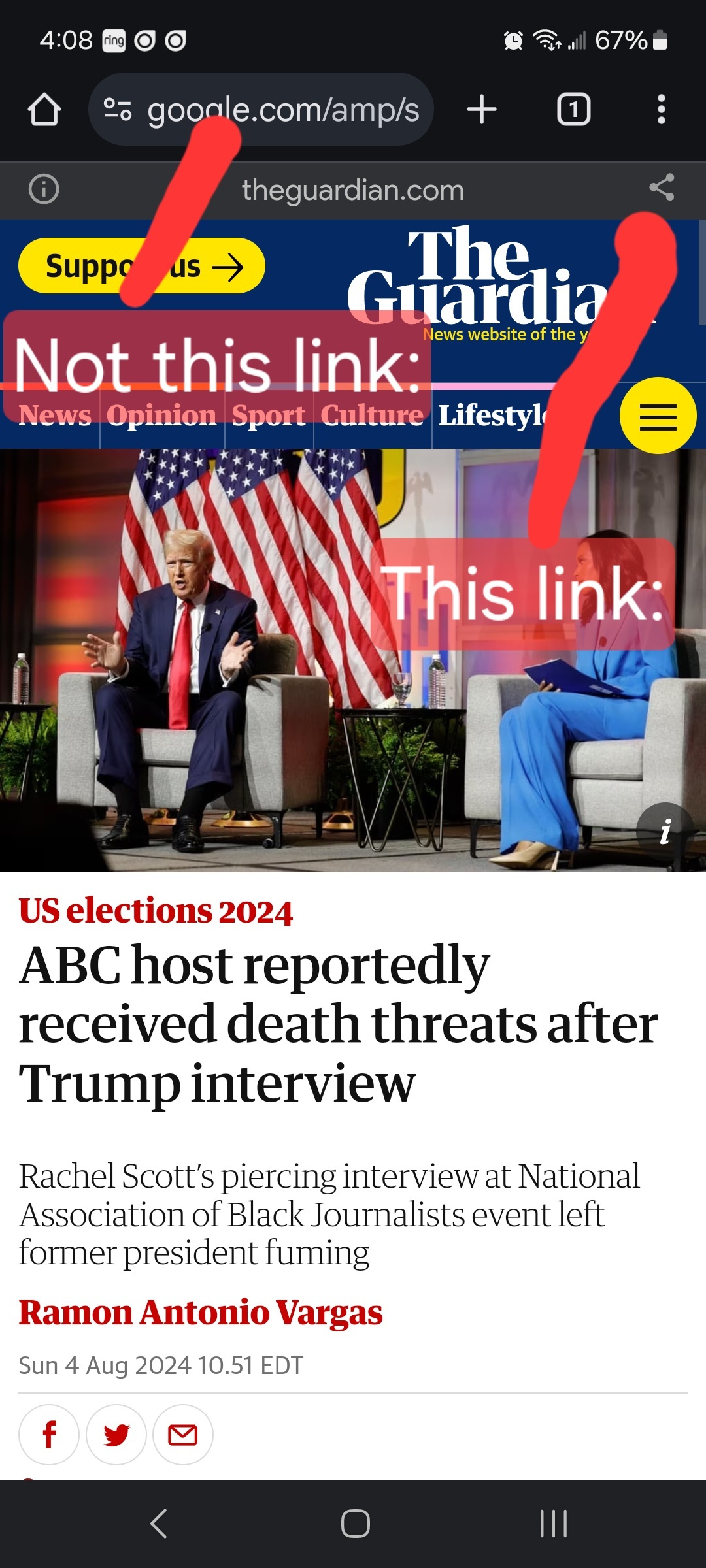
- Articles must be relevant to politics. Links must be to quality and original content. Articles should be worth reading. Clickbait, stub articles, and rehosted or stolen content are not allowed. Check your source for Reliability and Bias here.
- Be civil, No violations of TOS.
It’s OK to say the subject of an article is behaving like a (pejorative, pejorative). It’s NOT OK to say another USER is (pejorative). Strong language is fine, just not directed at other members. Engage in good-faith and with respect! This includes accusing another user of being a bot or paid actor. Trolling is uncivil and is grounds for removal and/or a community ban.
- No memes, trolling, or low-effort comments.
Reposts, misinformation, off-topic, trolling, or offensive. Similarly, if you see posts along these lines, do not engage. Report them, block them, and live a happier life than they do. We see too many slapfights that boil down to "Mom! He's bugging me!" and "I'm not touching you!" Going forward, slapfights will result in removed comments and temp bans to cool off.
- Vote based on comment quality, not agreement. This community aims to foster discussion; please reward people for putting effort into articulating their viewpoint, even if you disagree with it.
- No hate speech, slurs, celebrating death, advocating violence, or abusive language. This will result in a ban. Usernames containing racist, or inappropriate slurs will be banned without warning
We ask that the users report any comment or post that violate the rules, to use critical thinking when reading, posting or commenting. Users that post off-topic spam, advocate violence, have multiple comments or posts removed, weaponize reports or violate the code of conduct will be banned.
All posts and comments will be reviewed on a case-by-case basis. This means that some content that violates the rules may be allowed, while other content that does not violate the rules may be removed. The moderators retain the right to remove any content and ban users.
That's all the rules!
Civic Links
• Register To Vote
• Citizenship Resource Center
• Congressional Awards Program
• Federal Government Agencies
• Library of Congress Legislative Resources
• The White House
• U.S. House of Representatives
• U.S. Senate
Partnered Communities:
• News
• World News
• Business News
• Political Discussion
• Ask Politics
• Military News
• Global Politics
• Moderate Politics
• Progressive Politics
• UK Politics
• Canadian Politics
• Australian Politics
• New Zealand Politics
founded 3 years ago
MODERATORS
You can have proportional voting where votes go to specific people. Basically just do away with House districts and then have X slots. Top X vote getters get elected. You can also have a form of ranked choice where excess votes (beyond what's needed to secure a position) get proportionally spread among the other candidates according to their second choices.
But that is functionally identical to what we have now: in a district with 5 slots, D's run 5 candidates, R's run 5 candidates, most people pick D or R down the line. A district can still be drawn to favor one over the other, except instead of 1 safe seat, you have 5 safe seats.
The only change would be that an impactful third party can only change one of those five safe seats. By moving to this sort of proportional representation, you actually dilute third parties' power further.
Proportional voting doesn't give X votes to each voter. You can just look up how these different options work instead of imagining that they're dumb and you were the one to figure out an obvious flaw.
I have read up on it, and people who advocate for it take as a given that it would make things better, but I just dont see it. I go by three axioms:
as long as drawing districts is a political process, districts will be drawn to the partisan advantage of the major party in charge
Once you have multi-member districts, major parties will run a candidate for as many slots as they are allowed to. And party-line voters will expect to have a way to express a party-line preference. I expect that any system which does not allow a party to run a candidate for every slot will be challenged.
Once you disassociate votes with individual candidates, major party bosses can dole out "safe" seats as patronage. But if you don't disassociate votes with individual candidates, a party can still sweep a multi-member district with 50.1% percent of the vote for each spot
The only case where proportional voting helps is where the multi-member district becomes so large that it is the only district, and now it can't be gerrymandered at all. But you still have other problems then.
I would sooner keep districts the way they are, but make many more of them, and introduce either RCV or a true runoff when no candidate gets 50%.
I really don't think you have since you don't know basic things about what proportional representation means.
Enlighten me, please, then. I'd love to find a way for it to work here.