politics
Welcome to the discussion of US Politics!
Rules:
- Post only links to articles. Title must fairly describe link contents. If your title differs from the site’s, it should only be to add context or be more descriptive. Do not post entire articles in the body or in the comments.
Links must be to the original source, not an aggregator like Google Amp, MSN, or Yahoo.
Example:
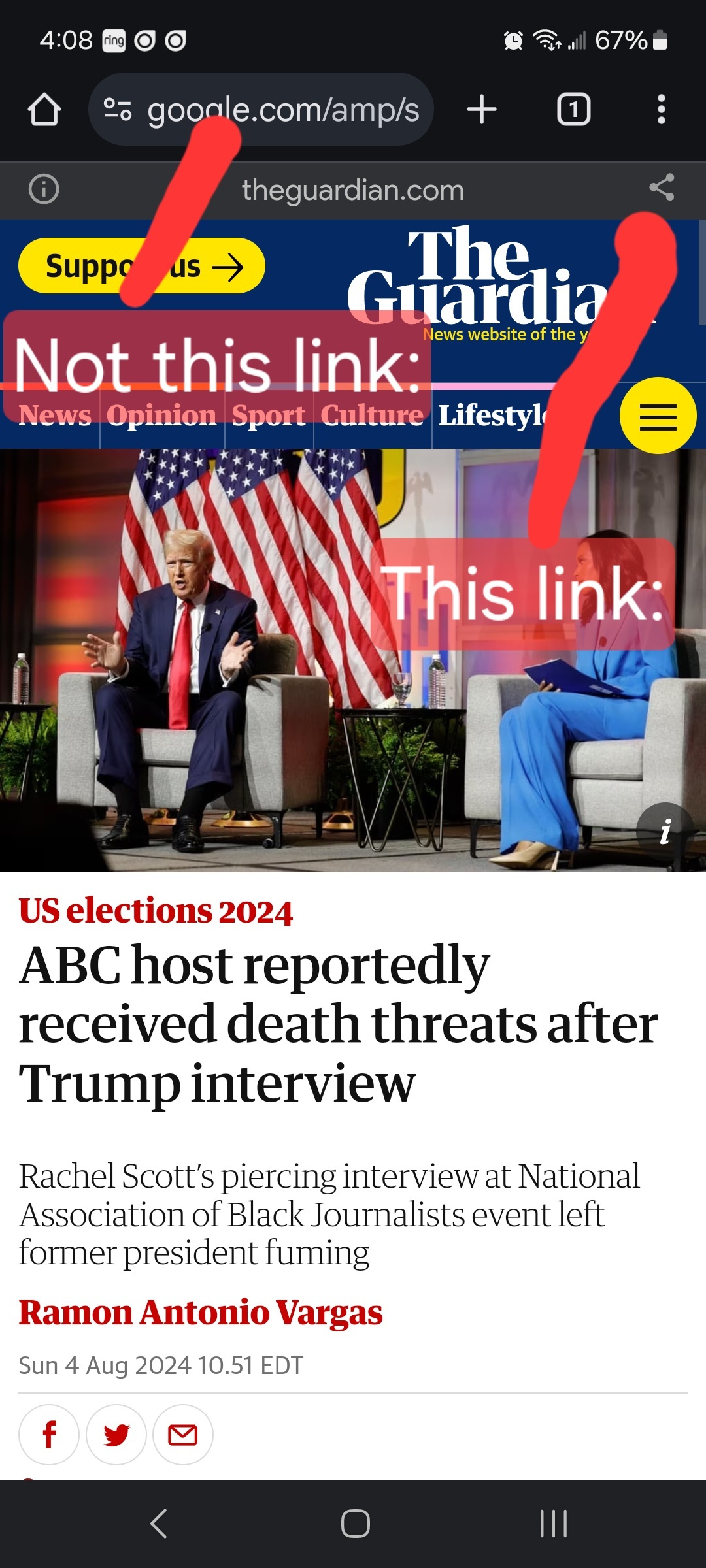
- Articles must be relevant to US politics and contain quality and original content. Social Media adjacent hosts like Substack are allowed, but ONLY if they tie back to a company/subsidiary. No personal or friend group blogs and no self-promotion. Articles should be worth reading. Clickbait, stub articles, and re-hosted or stolen content are not allowed. Check your source for Reliability and Bias here.
- Be civil, No violations of TOS. It’s OK to say the subject of an article is behaving like a (pejorative, pejorative). It’s NOT OK to say another USER is (pejorative). Strong language is fine, just not directed at other members. Engage in good-faith and with respect! This includes accusing other users of being bots or paid actors.
- No memes, trolling, misinformation, or low-effort posts/comments (including reposts). If you see posts like this that anger you, do not engage. Report, block, and live a happier life than they do. Any slap-fight is subject to comment removals. Fights full of rule violations will result in temporary bans to cool off.
- No manipulating votes via bots or alt accounts; this will result in permanent bans. Vote based on comment quality, not agreement. This community aims to foster discussion; please reward people for putting effort into articulating their viewpoint, even if you disagree with it.
- No hate speech, slurs, celebrating death, advocating violence, or abusive language. This will result in an account ban. Usernames containing racist, or inappropriate slurs will be permanently banned.
We ask that the users report any comment or post that violate the rules and use critical thinking when reading, posting, and commenting. Users that repeatedly have comments or posts removed, weaponize reports, or violate the code of conduct, will be banned.
All posts and comments will be reviewed on a case-by-case basis. This means that some content that violates the rules may be allowed, while other content that does not violate the rules may be removed. The moderators retain the right to remove any content and ban users. The reason(s) behind moderator action(s) are publicly available through the Modlog.
That's all the rules!
Civic Links
• Congressional Awards Program
• Library of Congress Legislative Resources
• U.S. House of Representatives
Partnered Communities:
• News
view the rest of the comments
The president can nominate anyone, but they have to be approved by the senate. Every justice we had made it through that process, most before they scrapped the filibuster.
Legislation doesn't have to have support from both parties either. The filibuster rule makes it possible for a minority party to hold up certain things, but there is no requirement that anything be supported by both parties.
And even if we did have a system where a majority of both parties was required to approve a judicial appointment or attorney, that would just break the system even more. It would give a veto to the Republicans for every appointment regardless of which party is in the majority and they would gladly leave half the government vacant when they don't hold the white house, or make such extreme demands that it wouldn't matter which party the president belongs to. This would just give the most extreme group more power to grind the government to a halt and hold the whole system hostage.
Yes, they should be. Unfortunately, those laws can only be written, enacted, interpreted, administered and enforced by people. Laws have no power on their own. And we have to have a process for determining who is in a position to oversee those laws. Some of those people are elected. Some are appointed. Some are hired or promoted independently within organizations that answer to elected and/or appointed officials. And there is necessarily a trade off when balancing power between elected officials (who are going to be the most politicized but also the ones who are answerable to the people directly) and those who are more independent (who can be less vulnerable to momentary political currents but also never have to answer to the general public).
As I said, there are many flaws in the American system, some of which are very big. But we also have numerous mechanisms that should prevent situations like this. The problem is they all require someone to do their fucking job and push back. Many of those furthest removed from electoral politics have been doing a lot to uphold legal and ethical standards. But when the elected officials and their appointees at the highest levels are either actively undermining the law or simply failing to do their duty to defend the law, it isn't the law that's at fault.