politics
Welcome to the discussion of US Politics!
Rules:
- Post only links to articles. Title must fairly describe link contents. If your title differs from the site’s, it should only be to add context or be more descriptive. Do not post entire articles in the body or in the comments.
Links must be to the original source, not an aggregator like Google Amp, MSN, or Yahoo.
Example:
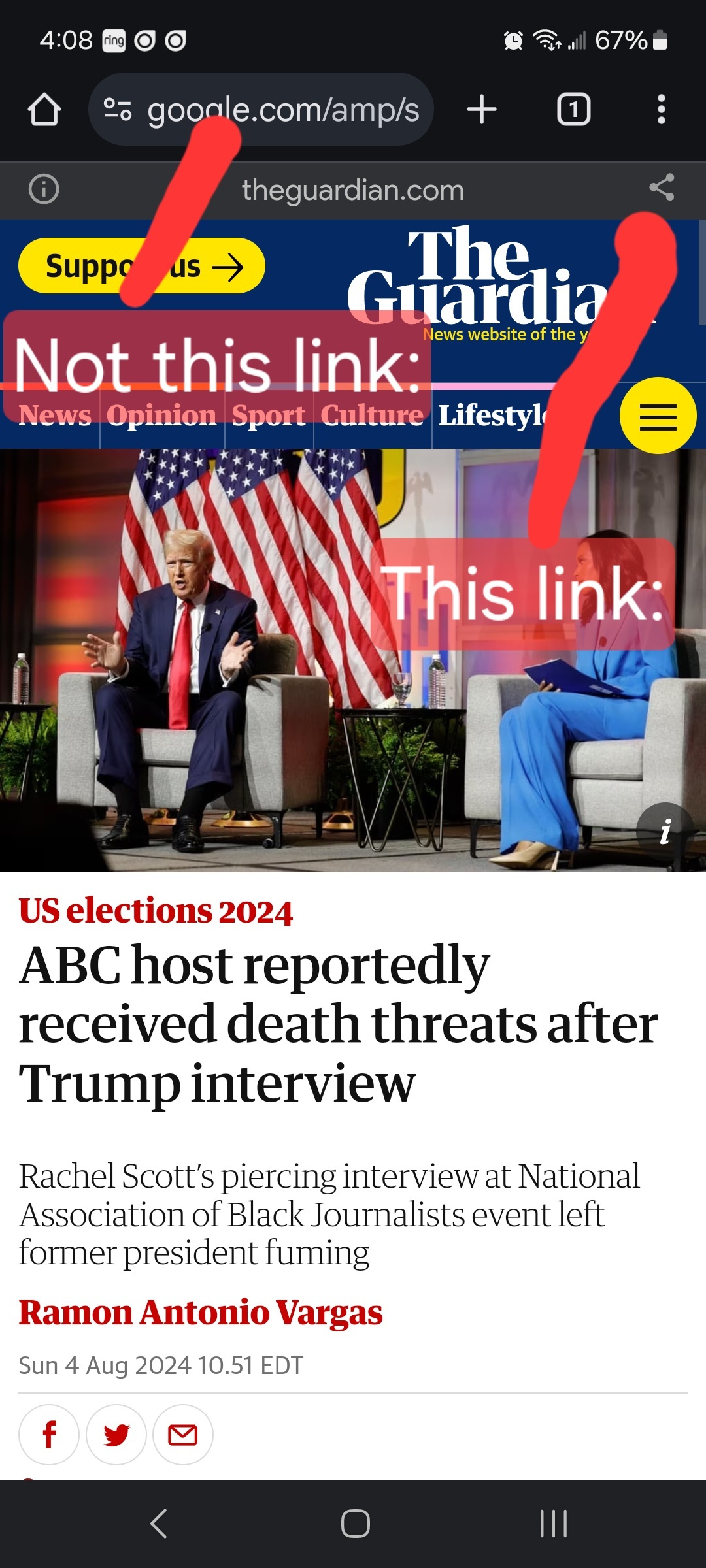
- Articles must be relevant to US politics and contain quality and original content. Social Media adjacent hosts like Substack are allowed, but ONLY if they tie back to a company/subsidiary. No personal or friend group blogs and no self-promotion. Articles should be worth reading. Clickbait, stub articles, and re-hosted or stolen content are not allowed. Check your source for Reliability and Bias here.
- Be civil, No violations of TOS. It’s OK to say the subject of an article is behaving like a (pejorative, pejorative). It’s NOT OK to say another USER is (pejorative). Strong language is fine, just not directed at other members. Engage in good-faith and with respect! This includes accusing other users of being bots or paid actors.
- No memes, trolling, misinformation, or low-effort posts/comments (including reposts). If you see posts like this that anger you, do not engage. Report, block, and live a happier life than they do. Any slap-fight is subject to comment removals. Fights full of rule violations will result in temporary bans to cool off.
- No manipulating votes via bots or alt accounts; this will result in permanent bans. Vote based on comment quality, not agreement. This community aims to foster discussion; please reward people for putting effort into articulating their viewpoint, even if you disagree with it.
- No hate speech, slurs, celebrating death, advocating violence, or abusive language. This will result in an account ban. Usernames containing racist, or inappropriate slurs will be permanently banned.
We ask that the users report any comment or post that violate the rules and use critical thinking when reading, posting, and commenting. Users that repeatedly have comments or posts removed, weaponize reports, or violate the code of conduct, will be banned.
All posts and comments will be reviewed on a case-by-case basis. This means that some content that violates the rules may be allowed, while other content that does not violate the rules may be removed. The moderators retain the right to remove any content and ban users. The reason(s) behind moderator action(s) are publicly available through the Modlog.
That's all the rules!
Civic Links
• Congressional Awards Program
• Library of Congress Legislative Resources
• U.S. House of Representatives
Partnered Communities:
• News
view the rest of the comments
I’m going to have to disagree with your reply.
AI is capable of doing a better and more efficient job of diagnosing and recommending surgeries than humans, or even human created algorithms.
Think about Chess. When computers were in their infancy, there was much skepticism that a computer could ever master the game of chess and reliably beat the world’s best players. Eventually we made chess engines that were very strong, by feeding them tons of data and chess theory, basically giving them algorithms that helped them contend with top players. These engines performed well because they played the game at the level of top players but without the human component to make a natural human error. They could beat grand masters, but it wasn’t a sure victory.
Enter AI. New chess engines were made with AI neural networks, and rather than feeding them tons of chess data and theory, they are just given the rules of the game and set to play and learn with the goal of increasing their win rate. These AI chess engines were able to far surpass previous conventional algorithmic engines because they were self-learning and defied conventional chess theory, discovering new ways to play and win, showing humans variations and positions never considered before that could win.
In a similar way, AI could do the same with healthcare, and basically anything else. If the AI is advanced enough and given the goal of finding the best survival rate/quality of life for diagnosis and surgery, it will do so more efficiently than any human or basic algorithm because it will see patterns and possibilities that today’s best doctors and surgeons do not. It is obvious that a sufficiently advanced AI would diagnose you and recommend the correct and best surgery more accurately and more efficiently than even the worlds best possible team of professionals or any non-learning algorithm.
But the issue is the insurance companies will never instruct the AI that best survival rates/quality of life is the “checkmate”, but rather whatever outcomes lead to the highest profit with least amount of legal or litigation risk.